


2010 was the year my journey began: my arrival in the United States, the adventure I had dreamed of. Two years later came the initiation of my version of the American dream, a vision that would become everyone’s mission. The first door I knocked on was the start of building that vision, with hope. New cultures, different backgrounds, diverse languages, but I certainly discovered we had a common goal. It wasn’t easy, but something in me, the same discipline that made me a professional bodybuilder, told me that showing up on the days when no one is watching is the only way anything gets built. I kept knocking on doors because I believed the people behind them deserved someone who wouldn’t give up. Slowly, door by door, that work became a team, and that team became community infrastructure that now leads the mission.
When the Trump administration took over, states across the nation ceded their constituents’ rights in alignment with federal immigration policy. In Virginia, we felt the erosion of that public trust directly — with immigrant families across the Commonwealth living through raids that tore through neighborhoods and stoked fear in our communities
This threat wasn’t abstract for families across Virginia heading into last November’s elections. I called it “the second risk”: electing people who were willing to give away our autonomy for good, on top of everything these families have already been dealing with. Our members acted, endorsing candidates who committed to defending our rights up and down the ballot. I couldn’t sit that one out. We launched a strategic, member-led civic engagement campaign called “Know Your Rights, Elect Your Power: Virginia 2025.” Voters listened — and they acted. Latino and Black voters turned out because they knew our fundamental freedoms were on the line.
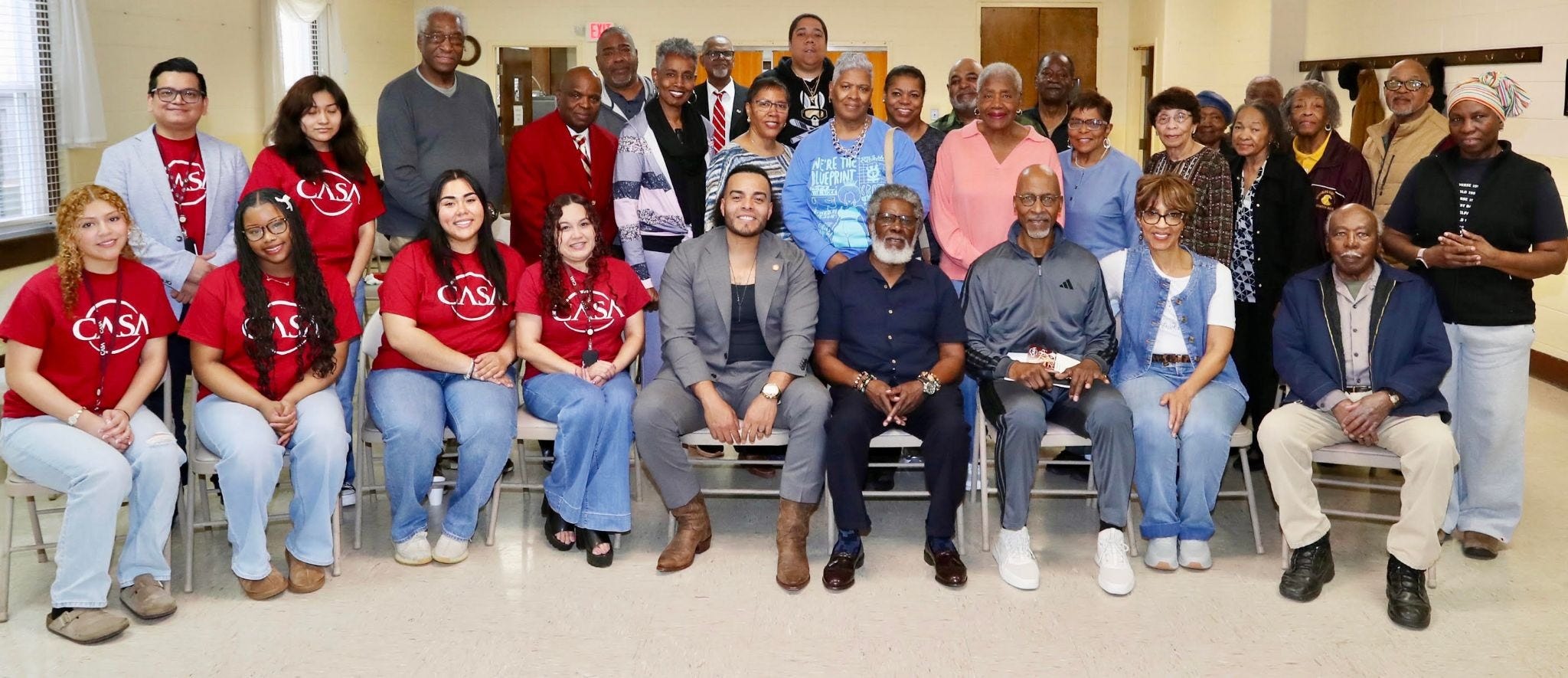
I know what that turnout was actually protecting because I’ve seen it up close. One family I met in Richmond years ago, one of the thousands of doors I’ve knocked on since 2012, built a life here while undocumented and, through that struggle, found a way to become their own voice, defending their rights in public rather than staying silent. Their daughter was born in Richmond as a United States citizen, but the constitutional promise that made her citizenship possible, birthright citizenship, is under legal and political attack again. As I wrote at the time, “When politicians start debating birthright citizenship, families don’t hear legal theory; they hear instability. If citizenship becomes conditional, belonging becomes fragile. And when belonging is fragile, democracy weakens.” Virginia’s leadership listened, and they’re acting to defend it. That’s the door-knocking effect: one conversation becomes a family’s courage, and a family’s courage can become a movement.
That’s why Hispanic Heritage Month is so much more than dates on the calendar for Latino families. — It’s a month that calls on us to reflect on who opened the door for us, and who we can open it for now. I felt that question directly this year. I was recently featured in the Latino Virginia Project, an archive preserving Latino stories across the Commonwealth. Around that same time, Governor Spanberger appointed me to Virginia’s Office of New Americans Advisory Board. I was sworn in on September 15: El Salvador’s Independence Day and the first day of Hispanic Heritage Month. Both moments sent the same message: this work exists only because Black Virginians paid the price of breaking those doors down first, long before us. I said something in that archive I still stand behind: This month was never just about celebrating our own arrival. It’s about recognizing that our seat at this table came from someone else’s fight, and paying that forward means fighting for seats we haven’t even reached yet. That’s the door-knocking effect at its core: every door someone opens for you becomes a door you’re responsible for opening for someone else.
This is the door-knocking effect: one conversation on a doorstep builds trust, trust builds a movement, and a movement — sustained long enough — earns the seat where policy can be written. Hope isn’t something you feel once and move on from. It’s something you build into policy, one knock, one vote, one law at a time.
This Hispanic Heritage Month, that’s what I’m asking of you too: not just hope as a feeling, but hope as civic action.
Our call is HOPE:
H — Honor Your Story
Every family carries a story about what it took to get here and what keeps them fighting to stay. Yours is part of this country’s history too, and we want to hear it.
O — Organize Your Community
Nobody builds this alone. I didn’t. Join a phone bank or canvass near you.
P — Protect Your Rights
Uncertainty spreads fastest when people don’t know where they stand. Make sure you and everyone you love have the information to protect yourselves.
E — Elect Your Power
The families who showed up last November changed what was possible in Virginia. Check your registration today, then help someone else check theirs.
If this reflection resonated, pass it along. The next door someone knocks on might change everything for the family behind it.
About Eduardo Zelaya
Eduardo Zelaya is Director of We Are CASA in Virginia, where he leads organizing and advocacy for immigrant and working-class communities. Under his leadership, We Are CASA has built one of the largest immigrant-led organizing operations in the Commonwealth, focused on developing community members into organizers, advocates, and public spokespeople. His work has driven key policy wins: driver’s license access for undocumented residents (later expanded to longer renewal terms), a higher minimum wage, in-state tuition for undocumented students, and protections preserving trust between local law enforcement and immigrant communities. He also works at the intersection of immigration and climate policy, given the disproportionate environmental harms facing immigrant and working-class communities. Zelaya previously served as Secretary of the Virginia Latino Advisory Board. He is a professional bodybuilder and is completing a Master of Public Administration and a certificate in Nonprofit Management at VCU’s L. Douglas Wilder School of Government and Public Affairs.
Share, Subscribe, and Support The Blue Print
Thank you so much for reading The Blue Print! If you enjoyed this week’s newsletter, let us know with a like, restack, and make sure to share it with your friends so we can keep bringing you weekly updates from the DNC’s Grassroots Team!
**DISCLAIMER: This article may contain outdated information or links to opportunities and other events that may have already passed. Please continue to stay updated with The Blue Print’s most recent posts for the most up-to-date information.**