


Happy Wednesday, Democrats!
We’re excited to feature today’s guest, Devon Murphy-Anderson, Executive Director of the Maine Democratic Party.
Devon is deeply committed to connecting with folks across the state and hearing from Mainers about the issues that matter most. Since she started as Executive Director in 2025, the Maine Democratic Party has relentlessly scaled up its efforts to support Democratic candidates running up and down the ballot and flip seats.
Continue reading to hear about her incredible accomplishments and what’s ahead for Maine in the 2026 midterms and beyond!
You have a unique background, ranging from your early years lobstering in Casco Bay to your extensive experience in campaign finance and building grassroots voter engagement organizations such as Mi Vecino.
Can you share your journey to becoming Maine Democratic Party Executive Director?
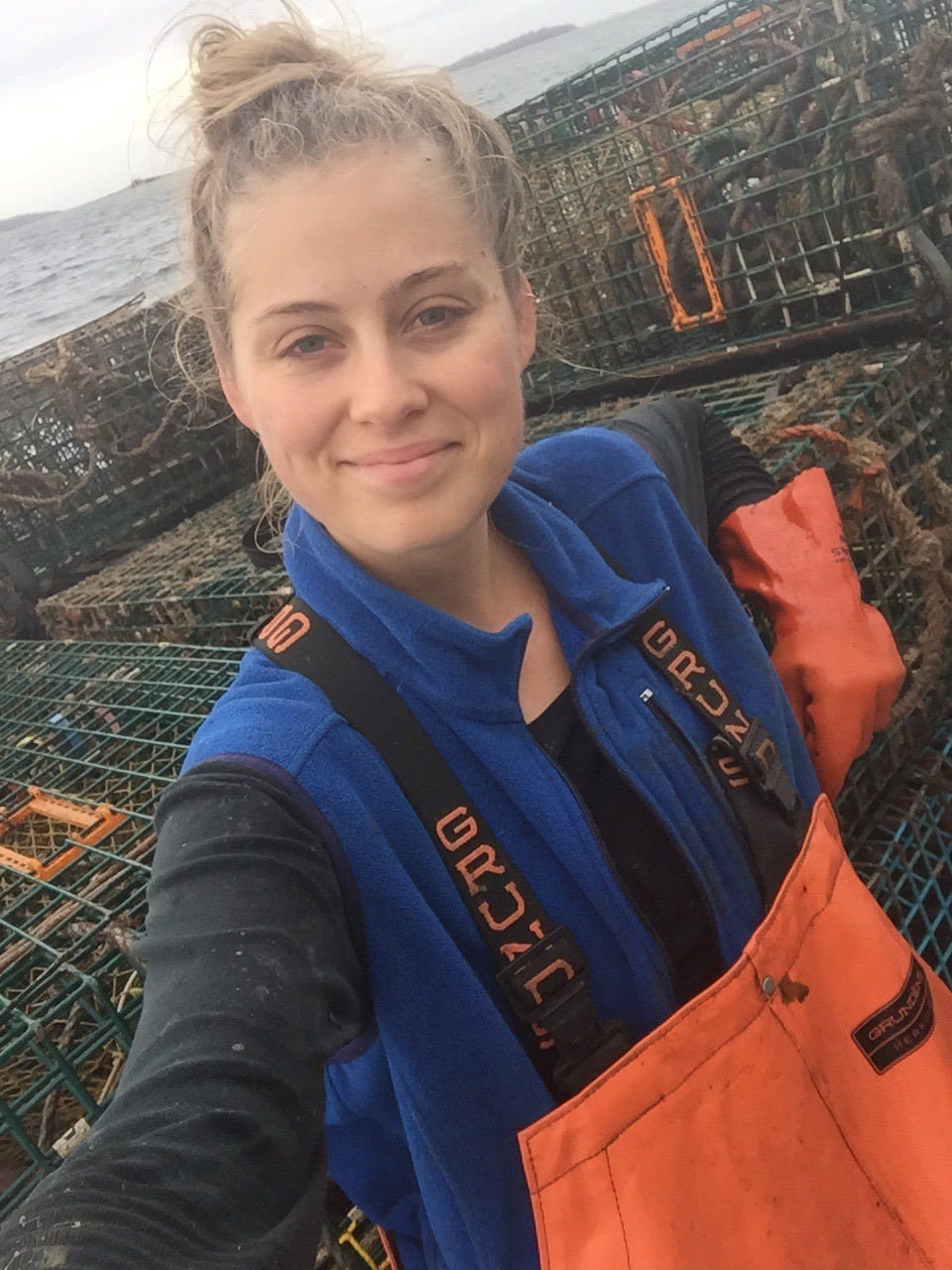
I grew up lobstering with my dad in Casco Bay, and when I was 15, I bought my own skiff, painted it pink, and started a small fishing business. Lobstering is hard work and can be dangerous — the hauler can crush your fingers off, rough weather can capsize you, your feet can get stuck in the rope pulling you overboard — so you have to learn how to trust yourself. Fishing gave me the opportunity to build confidence as a young woman in a male-dominated field and helped me develop a relentless work ethic. No degree or experience has been more foundational in my success than the confidence and work ethic I built lobstering. Many fishermen are self-employed, which means that many families — including mine — don’t have healthcare. Seeing what that meant for my family drove me to get involved in local politics, and after college, I dove in: first working as a fundraiser on a congressional campaign and eventually serving as the Finance Director for the Florida Democratic Party for the 2020 cycle.
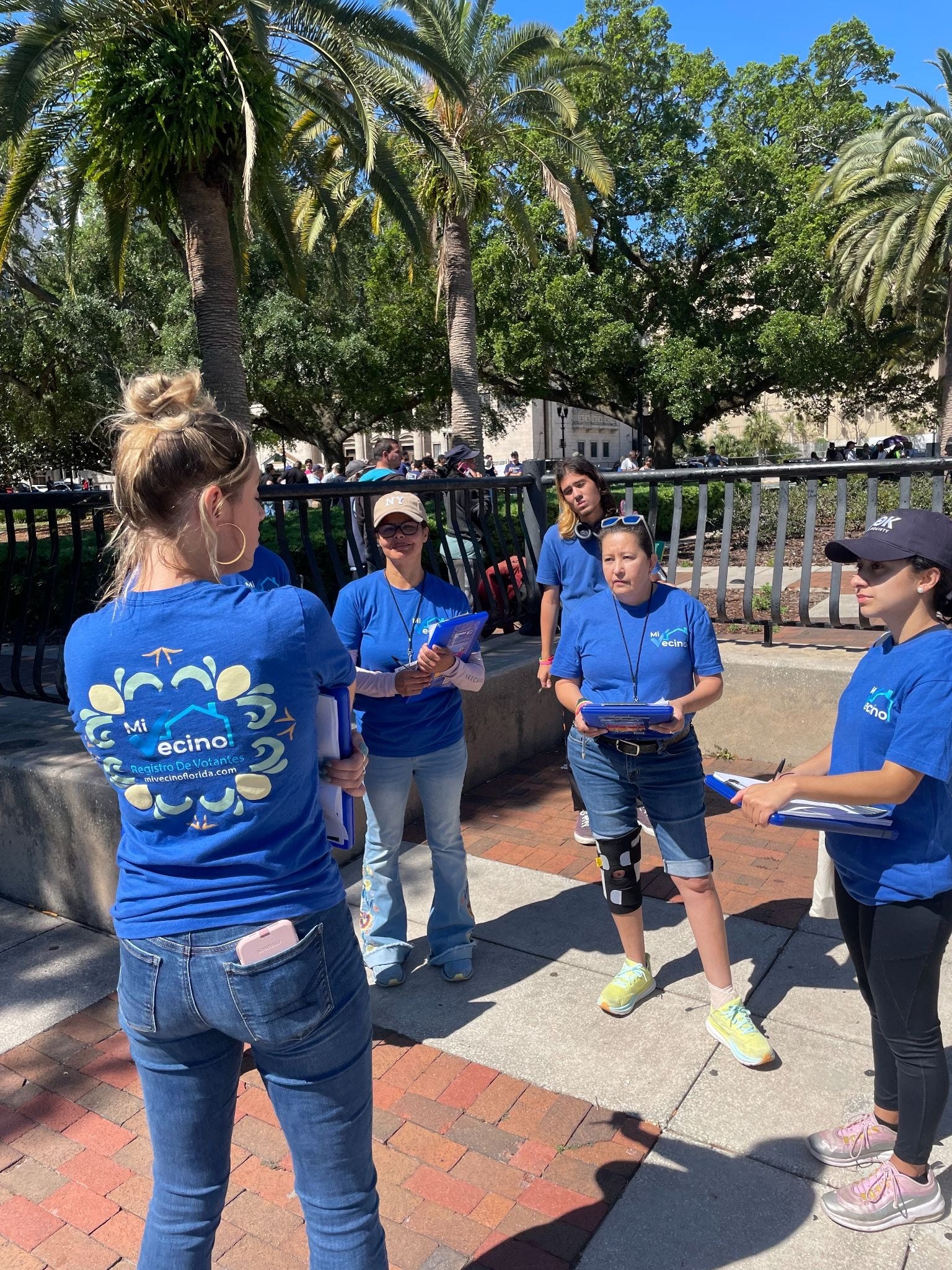
After that, I co-founded Mi Vecino, a year-round voter engagement organization in Florida that worked to register and turn out disenfranchised voters, because I had seen firsthand how important it is to build relationships with voters long before an election. Coming home to Maine to lead the Maine Democratic Party felt like an opportunity to bring all of those experiences together and build a state party that is strong year-round, rooted in our communities, and ready for whatever comes our way. My vision for the Party, which we’ve successfully been able to put in place, is to talk to voters on the ground every single day.
How do state parties operate during the general election, and how is the Maine Democratic Party supporting candidates running for office this November?
Strong state parties are absolutely essential to Democratic success, which is what makes our work so meaningful and important. Once we have our nominees, one of our biggest jobs as a state party is making sure candidates have the infrastructure they need to win. That means energetic organizers on the ground, accurate voter data, well-trained volunteers, an aggressive communications strategy, and coordination across campaigns so we are not rebuilding the wheel in every race.
In Maine, I’m so proud that we are supporting Democrats in every corner of our state, from our statewide and federal races to candidates running for the state legislature. Every campaign is different, so our support has to meet candidates where they are and center the people they are running to represent. At the end of the day, our job is to build an operation that can talk to as many Mainers as possible about what is at stake in November and give our candidates the strongest foundation we can.
Your team had roughly two weeks to organize and lead the July U.S. Senate nominating convention. Can you walk us through the process of organizing a convention, and how the Maine Democratic Party adapted to this quick timeline?
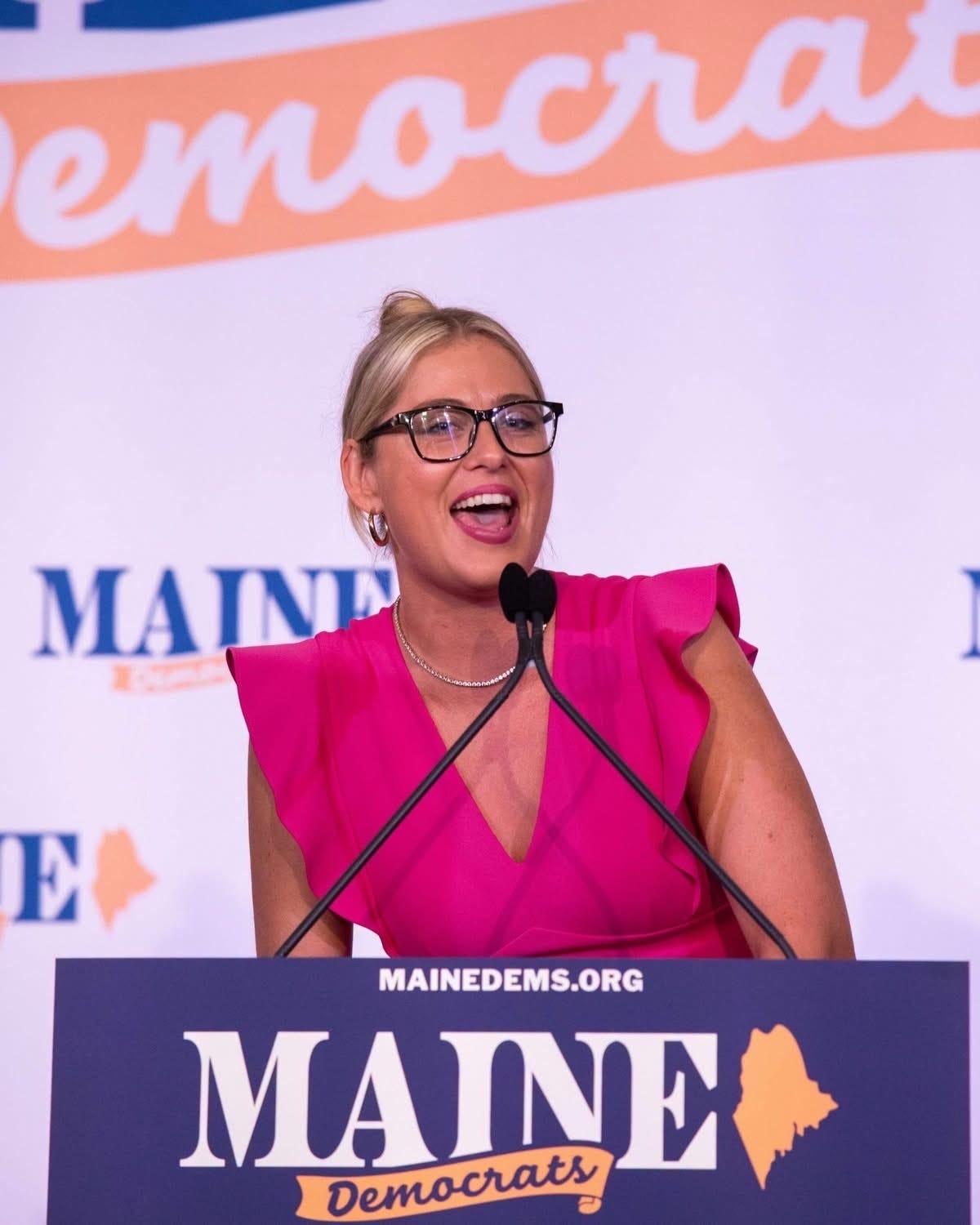
Normally, Maine voters choose our nominees through a primary, so what happened this summer was completely outside the norm for us. We were truly plunged into an unfathomable scenario. We had what felt like an impossibly short window to create a process that was secure, accessible, transparent, and gave Democrats across Maine a meaningful voice in choosing a new Senate nominee.
But I have the absolute best team in the country — a group of young people who truly stepped up to serve our state. We quite literally did not sleep until we had come up with a plan that was as inclusive as legally and logistically possible. We organized delegate elections across all 16 of our counties, built a system that allowed verified voters to participate from home, worked with thousands of people who wanted to serve as delegates, and then brought 601 delegates together for the convention in Bangor.
More than 20,000 Maine Democrats were verified to participate in the process, and more than 17,000 ultimately cast ballots in the delegate elections. I am incredibly proud of our staff, county parties, volunteers, and everyone else who stepped up, because we showed that even under extraordinary circumstances, this party has the infrastructure and people to pull off something incredibly difficult. This is just another example as to why strong state parties are vital to our success and how choosing to do the right thing — even if it’s not the easy thing — should be our north star as Democrats.
Maine is well known for being a ticket-splitting state. Maine is led by a Democratic governor, a Republican and an Independent Senator, and voted blue in the 2024 presidential election. What does it look like to lead the Maine Democratic Party in this political climate, and how can we connect with voters across the spectrum?
One of the guiding principles that I center in every one of my strategic decisions is that we cannot — and should not — take any voter for granted. That is especially true in Maine, where we pride ourselves on being independent-minded. I firmly believe that no political party should ever act entitled to anyone’s vote — so, at the Maine Democratic Party, we treat every single vote like it’s on the table and we go after it.
Our job is not just to talk to people who already agree with us; it is to organize everywhere and have real conversations with Mainers about their lives, their families, and what they want from their government. That means showing up in Portland, but it also means showing up in places like Machias, Farmington, Belfast, and communities where Democrats have not always invested enough time or resources. If we want to win races at every level, we have to be willing to go everywhere and talk to everyone.
And right now, like working people across this country, hardworking Mainers are being crushed under the cost of living. We have Democratic candidates on every level of our ballot that have actual, tangible plans on how to lower the costs of healthcare, heating, gas, groceries, and housing.
What is the most rewarding part of traveling across Maine and meeting voters in their own communities?
Maine is a small state in population, but massive in geography. Some of my favorite childhood memories are of my siblings and I piled into my dad’s pick-up truck and driving all across Maine — trips to the dump, road trips up the coast to get a part for the boat, to a gravel pit to shoot our .22s, or up to Penobscot County to go hunting. Our communities have a lot in common — our resiliency, our work ethic, our love of New England sports — but also are incredibly different. The issues someone is talking about in a fishing community on the coast may sound different from what you hear from a family in rural western Maine, but so often the underlying concerns are the same: Can I afford to live here? Can my kids build a life here? Will there be a hospital nearby when my family needs one?
Those conversations are a reminder that good organizing starts with listening. They also make us better at our jobs, because the way we communicate should reflect what Mainers are actually telling us, not what people sitting in an office assume they care about.
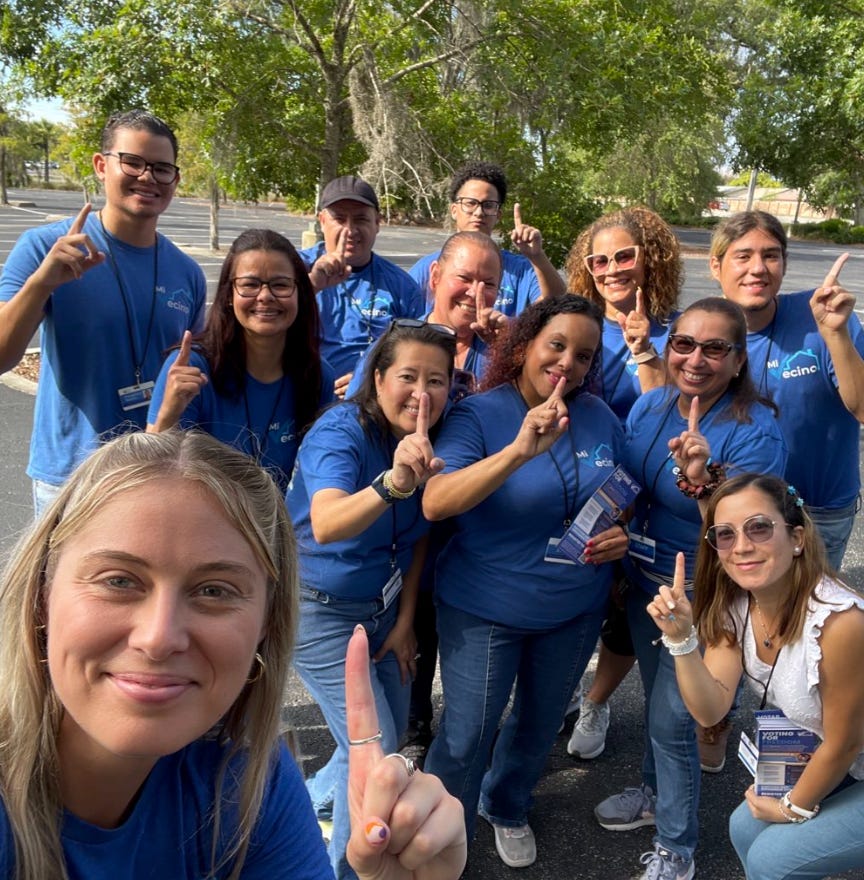
State parties are only as strong as the infrastructure behind them. How do DNC investments translate into real capacity on the ground in Maine?
DNC investments give state parties the ability to build infrastructure before we desperately need it. That means maintaining our voter data, hiring and retaining staff, supporting organizers and volunteers, investing in technology, and having the basic capacity to respond when something unexpected happens.
This summer was a perfect example: When we suddenly had to build an unprecedented statewide nominating process on an incredibly short timeline, we were able to do it because there was already an organization in place. The DNC’s support for state parties recognizes that this work cannot start a few months before Election Day and disappear afterward. The more we invest in permanent infrastructure now, the stronger we are not just this November, but in every election that comes next.
For the donors reading this, what is a common misconception about state party work that you wish people understood better?
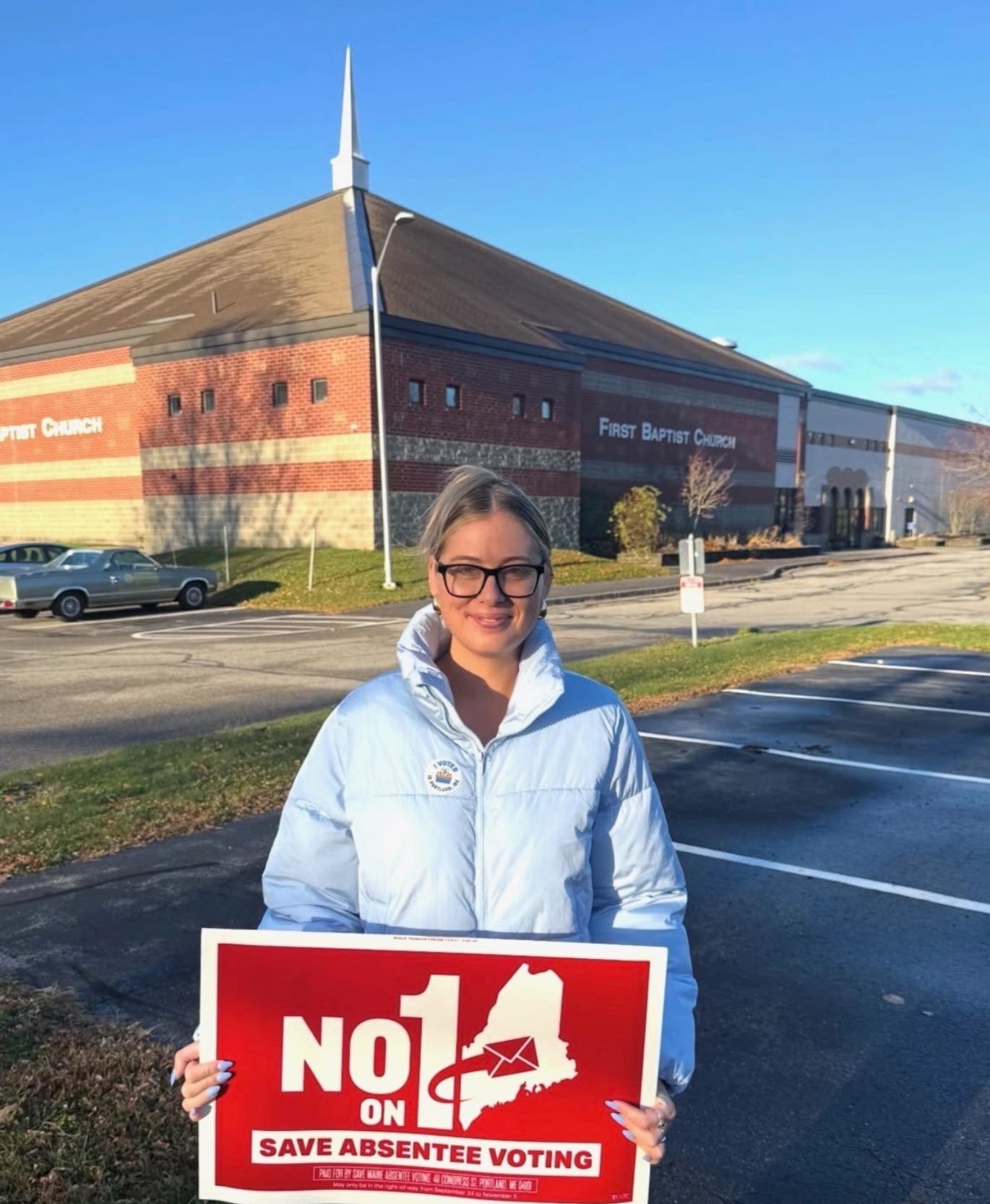
I think one of the biggest misconceptions is that state parties just operate during an election year, help candidates win, and then disappear until the next one. In reality, some of our most important work at the Maine Democratic Party happens long before most voters are thinking about an election. For example, last year was not an “off-year” for us. The MDP invested six figures in a massive statewide field operation that knocked over 50,000 doors and made hundreds of thousands of calls to help defeat a ballot question that would have made absentee voting much harder for rural, working, and senior Mainers.
We also invested in a Down Ballot Victory program with three field staffers who helped us win 51 of 70 local races like school board, town selectboard, and more. We also train and support county parties, build relationships in communities, and raise money to fund it all. A lot of that work is not particularly glamorous, and most of it will never make the news, but campaigns cannot succeed without it. Every investment in a state party helps us build something that lasts beyond one candidate or one election.
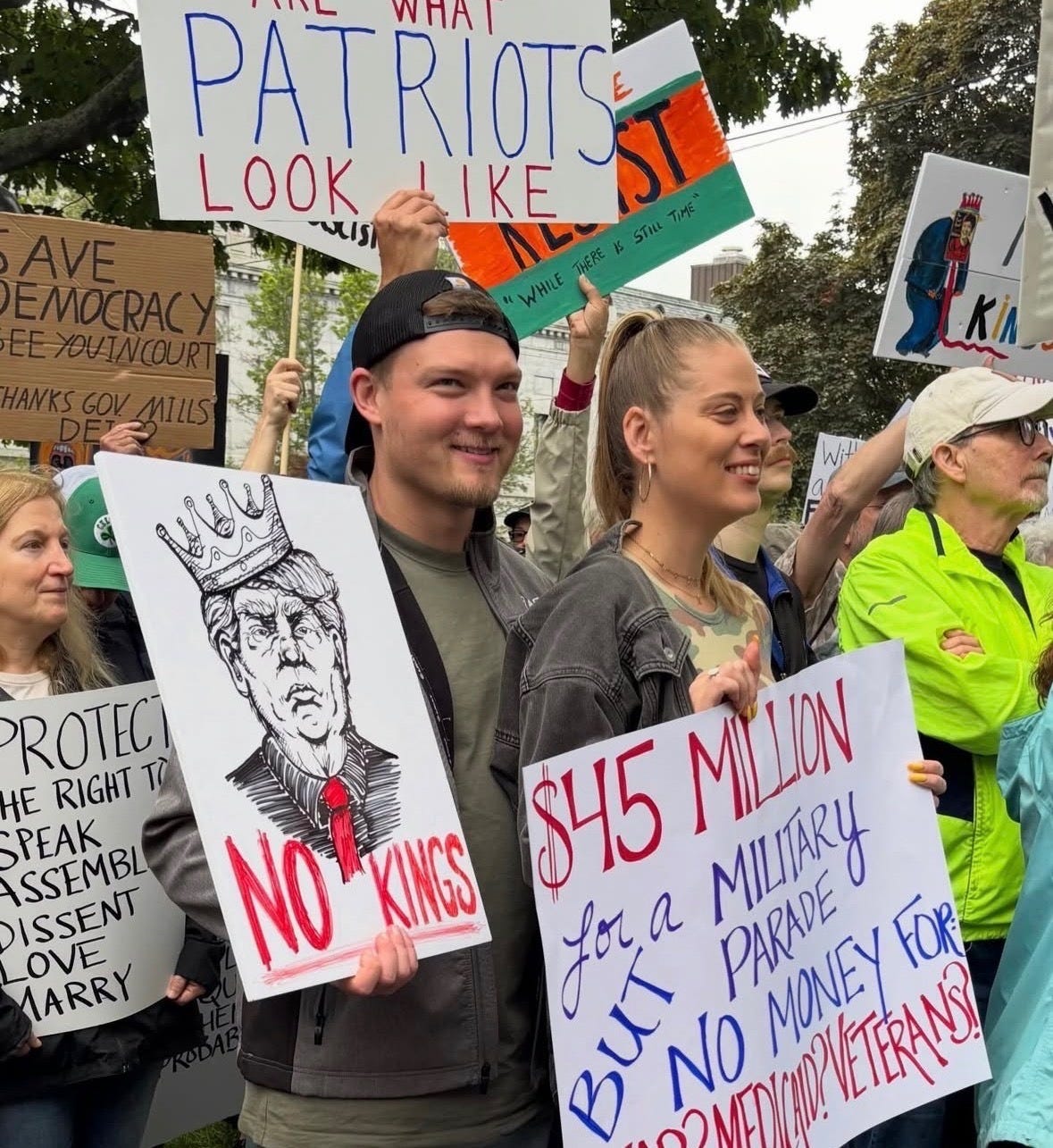
What does success look like for the Maine State Party in 2026?
Success means building the strongest possible operation to support Democrats in every corner of our state and making sure we are competing everywhere in Maine. Chair Ken Martin talks about the need to “organize everywhere” so Democrats can “win anywhere,” and that is exactly how we are approaching this election. Chair Martin himself even came up to Maine to help us win a special State House election in Lewiston, a community that was being terrorized by ICE.
We are investing in organizing across the state, strengthening our county parties, talking to voters in communities big and small, and making sure candidates have the infrastructure behind them to run strong campaigns. But I also want us to come out of November with a stronger party than the one we started with — more volunteers, deeper relationships with our communities, and more Mainers who see a place for themselves in our Party. Because we truly are the Party of working people. Winning elections matters, but building an organization capable of winning again and again matters too.
Learn More About the Maine Democratic Party and Get Involved
To learn more about the work of the Maine Democratic Party, including upcoming events, candidate information, and opportunities to get involved, visit the Party’s official website.
You can also follow the Maine Democratic Party on Facebook, Instagram, and X (Twitter) for updates on organizing efforts, legislative priorities, and statewide initiatives throughout the 2026 cycle and beyond.
If you’ve enjoyed our spotlights on party leaders here on The Blue Print, let us know in the comments who you’d like to hear from in the coming months!
Share, Subscribe, and Support The Blue Print
Thank you so much for reading The Blue Print! If the information in this week’s newsletter was helpful, share it with your community by liking and restacking today.
**DISCLAIMER: This article may contain outdated information or links to opportunities and other events that may have already passed. Please continue to stay updated with The Blue Print’s most recent posts for the most up-to-date information.**
Will the Democratic Party support Progressive Socialist Candidates and Reps moving forward?
American People want a change. Of course the Party (Like GOP) is beholden to their Donors.
How will you Reconcile that Conflict? Will you move towards a Change?
If not done, Democrats will not lead in 2028.
Democrats need to come out with clear Positions, Policies and Proposed Solutions.
Americans deserve better.
Our Northstar should be “Freedom, Justice, and Opportunity for all.” That’s what determines what the “right thing” is.